
Why Broken Bow Trout Fishing Draws Anglers From Across the Country
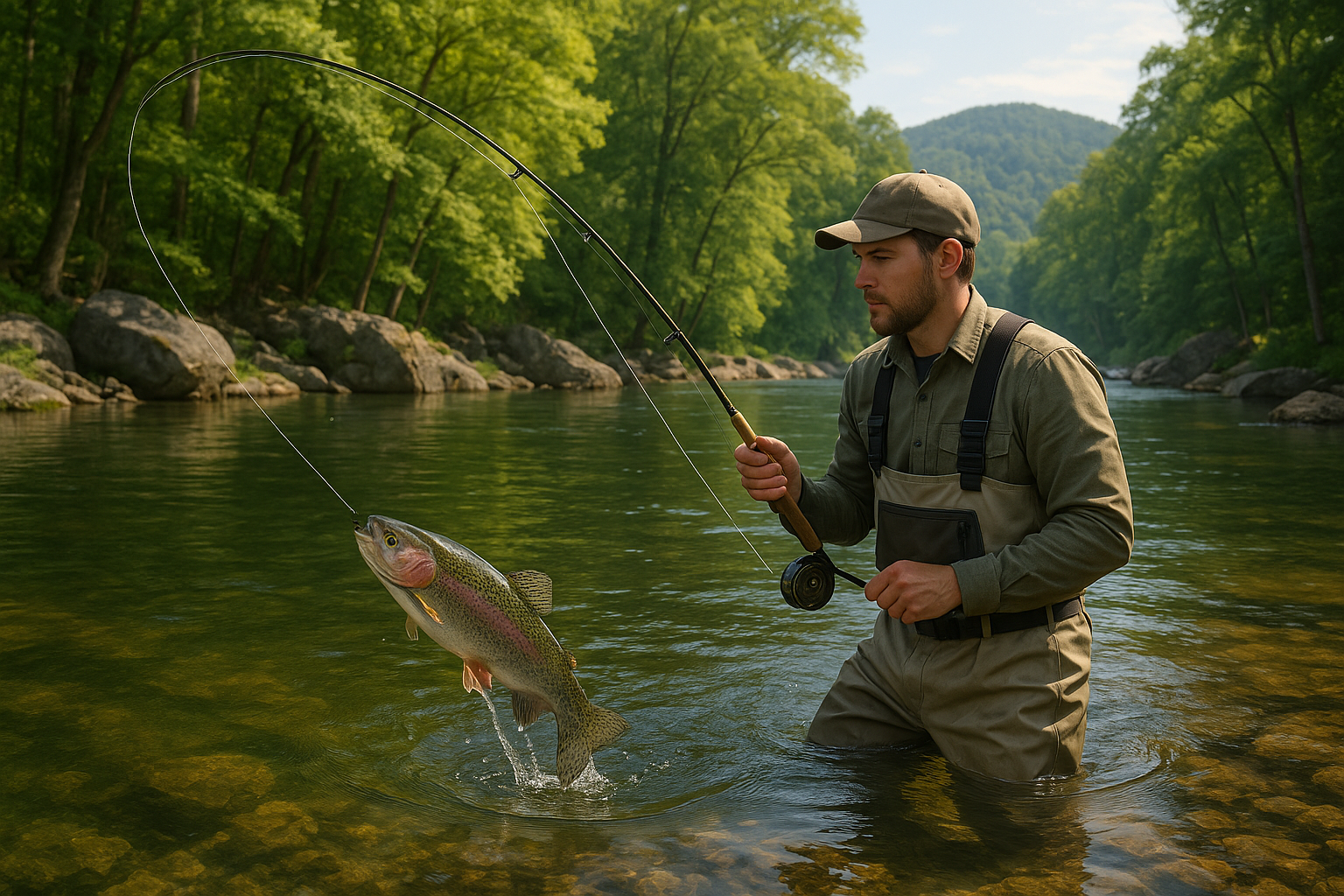
There is something almost magnetic about standing knee-deep in cold, clear water while a rainbow trout fights at the end of your line. If you have never experienced Broken Bow trout fishing, you are missing one of the best-kept secrets in North American freshwater angling. We say “secret” because, even though locals around Beavers Bend OK have known about this fishery for decades, many traveling anglers still overlook southeastern Oklahoma as a world-class trout destination.
At Broken Bow Trout Pro, we have spent years guiding clients on the Lower Mountain Fork River, watching their faces light up when they land their first fish—or their fiftieth. Our passion is helping every angler, from the wide-eyed beginner to the seasoned fly-fishing veteran, discover why this stretch of water consistently produces trophy-sized rainbow trout. In this article, we are pulling back the curtain on the insider knowledge that makes every trout fishing trip here unforgettable: the best seasons, the right gear, the techniques that actually work, and the local regulations you need to know before you wet a line.
Understanding the Lower Mountain Fork River Fishery
Stocked vs. Wild Rainbow Trout and How the Fishery Thrives
The Lower Mountain Fork River is the crown jewel of Oklahoma trout fishing destinations for one simple reason: cold water. Broken Bow Lake’s dam releases water from deep beneath the surface, keeping downstream temperatures between 48°F and 62°F year-round. That constant chill creates the perfect habitat for rainbow trout, a cold-water species that simply cannot survive in most Oklahoma rivers.
The Oklahoma Department of Wildlife Conservation stocks rainbow trout into the Lower Mountain Fork River on a regular schedule, typically adding thousands of fish throughout the year. These stocked rainbow trout range from pan-sized 10-inch fish to hefty specimens exceeding five pounds. While some anglers dream of wild, naturally reproducing trout populations, the reality is that this fishery is carefully managed through consistent stocking programs. That management is what keeps rainbow trout fishing on the Mountain Fork River so remarkably productive season after season.
We have also noticed that holdover trout—stocked fish that survive through multiple seasons—grow considerably larger and behave more like wild trout. They become selective feeders, spook more easily, and put up a fight that rivals any stream-born fish we have encountered. Targeting these holdover trout is one of the secrets that separates a casual outing from a truly memorable guided trout fishing experience.
Oklahoma Trout Fishing Destinations: Where Beavers Bend Stands
Oklahoma has several trout fishing destinations, including the Illinois River, the Blue River, and various put-and-take urban fisheries. However, Beavers Bend trout fishing on the Lower Mountain Fork River stands in a league of its own. The combination of consistent water temperatures, scenic beauty, year-round stocking, and designated fishing zones makes it arguably the best trout fishing in Oklahoma and one of the finest tailwater fisheries in the entire South.
Hochatown Oklahoma, the small resort community adjacent to Beavers Bend State Park, has grown into a vibrant vacation hub. Visitors come for the cabin rentals, the restaurants, and the outdoor adventures—but many quickly discover that trout fishing is the real star of the show. When people ask us what makes Beavers Bend OK so special, we always point to the river first. Everything else is just a bonus.
Seasons, Weather, and Water Conditions That Shape Your Success
Trout Fishing Seasons in Oklahoma: When to Plan Your Trip
One question we hear constantly from first-time visitors is: when is the best time for Broken Bow trout fishing? The honest answer is that trout fishing here is productive all twelve months, but certain windows offer distinct advantages.
– November through February: Winter is prime time. Water temperatures drop to their coldest, trout are aggressive, and fresh stockings keep the population high. Fewer crowds mean you often have long stretches of the Lower Mountain Fork River to yourself.
– March through May: Spring brings warmer air but still-cool water. Insect hatches become more frequent, making this an outstanding season for fly fishing with dry flies and emerger patterns.
– June through August: Summer can be challenging because water generation schedules from the dam affect flow levels significantly. However, early mornings and late evenings remain productive, and a knowledgeable trout guide knows exactly where fish hold during warm spells.
– September through October: Fall is a hidden gem. Visitor traffic from summer fades, fresh stockings resume, and comfortable weather makes every trout fishing trip feel effortless.
Understanding trout fishing seasons in Oklahoma helps you pick the right dates, but understanding water conditions on any given day is what truly determines your catch rate.
Weather, Water Flow, and the Generation Schedule
The Broken Bow Lake dam operates on a generation schedule that controls water flow into the Mountain Fork River. When generators run, water levels rise and current speeds increase dramatically. This can make wading dangerous and alter where trout position themselves. When generation stops, the river drops to a gentle, wadeable flow that is ideal for both fly-fishing and spin cast trout fishing.
We check the U.S. Army Corps of Engineers generation schedule every single morning before a trip. Our guides adapt in real time—if high water is expected, we shift to bank-fishing strategies or target deep pools where trout stack up during heavy flows. If the river is low and clear, we move to riffle sections and shallow runs where sight-fishing becomes possible.
Water clarity matters enormously too. After heavy rains, the river can turn slightly off-color, which actually works in an angler’s favor because trout become less wary. On bluebird days with gin-clear water, lighter line, longer leaders, and more subtle presentations become essential. These are the kinds of expert trout fishing tips that can transform a slow day into a spectacular one.
Gear, Bait, Techniques, and Regulations You Need to Know
Waders, Rods, Reels, and Terminal Tackle
Proper gear makes a world of difference on the Lower Mountain Fork River. Here is what we recommend for a well-prepared trout fishing trip:
– Waders: Breathable chest waders with felt-soled or rubber-soled boots are ideal. Water temperatures are cold enough year-round that wet wading is only comfortable in the peak of summer. Quality waders keep you dry, warm, and able to access the best holding water.
– Fly-fishing gear: A 9-foot, 5-weight fly rod paired with a weight-forward floating line covers 90 percent of situations. For nymphing, add a spool of 5X or 6X fluorocarbon tippet and a selection of strike indicators.
– Spin-cast gear: A light or ultralight spinning rod in the 5- to 7-foot range, spooled with 4- to 6-pound monofilament or fluorocarbon, is perfect for spin cast trout fishing with bait or small lures.
– Terminal tackle: Small hooks (size 10–14), split shot, snap swivels, and a variety of inline spinners such as Rooster Tails and Panther Martins round out the tackle box.
If you book a trip with Broken Bow Trout Pro, we provide all rods, reels, and tackle so you do not have to worry about bringing a thing. That said, many of our repeat clients love gearing up themselves, and we are always happy to share recommendations.
Trout Fishing Bait: What Actually Works Here
Bait selection is one of the most debated topics in trout fishing, and we have tested just about everything over the years. Here is what consistently produces results on our guided trout fishing experience outings:
– Pautzke salmon eggs: A longtime favorite. The bright color and scent trigger strikes from both freshly stocked and holdover rainbow trout.
– Berkley PowerBait: Moldable, brightly colored dough bait that floats off the bottom. Excellent for beginners because it is forgiving of imperfect presentations.
– Live bait: Wax worms, meal worms, and nightcrawler pieces remain deadly, especially under a small bobber drifted through slow pools.
– Artificial flies: Woolly Buggers, Pheasant Tail nymphs, Elk Hair Caddis, and small midge patterns are the staples for fly fishing here.
– Inline spinners and small spoons: For anglers who prefer an active, casting-and-retrieving approach, these lures cover water efficiently.
Understanding which trout fishing bait to use under specific conditions—water clarity, temperature, flow level—is something our trout fishing guides refine on every single outing.
Techniques That Separate Good Days From Great Days
Technique is where local knowledge pays the biggest dividends. Our professional fishing guide team teaches clients multiple approaches so they can adapt on the water:
– Nymphing: Dead-drifting a weighted nymph beneath a strike indicator is the most consistent method for catching trout on the Lower Mountain Fork River. The key is achieving a drag-free drift that mimics a natural insect tumbling along the bottom.
– Dry-fly fishing: When hatches are happening, there is nothing more thrilling than watching a trout rise to take a fly off the surface. Timing, presentation, and fly selection all matter.
– Drifting bait under a bobber: This beginner-friendly trout fishing technique is simple yet devastating. Suspend your bait 18 to 24 inches below a small float and let the current carry it through likely holding areas.
– Indicator rigs: A hybrid between nymphing and bobber fishing, indicator rigs use a buoyant strike indicator to suspend flies at precise depths.
– Spin-cast retrieves: Casting small spinners or spoons upstream and retrieving them slightly faster than the current imitates fleeing baitfish and triggers reaction strikes.
We tailor every trout fishing trip to the client’s skill level and preferred method. Whether you want to learn fly-fishing from scratch or refine advanced nymphing techniques, our trout guide team has you covered.
Trout Fishing Regulations on the Lower Mountain Fork River
Knowing the regulations before you arrive is not optional—it is essential. The Lower Mountain Fork River has specific trout fishing regulations that differ from general Oklahoma fishing rules:
– A valid Oklahoma fishing license is required for all anglers 16 and older. A separate trout fishing permit is also mandatory.
– The river is divided into zones. The catch-and-release area requires barbless hooks and artificial lures only, with zero harvest allowed.
– In other zones, daily creel limits apply—typically six trout per day, with size minimums that vary by section.
– Barbless hooks are strongly encouraged even outside designated catch-and-release areas to minimize injury to fish.
We walk every client through these trout fishing regulations at the start of each guided trip. Compliance protects the fishery for future generations and ensures your experience stays enjoyable and legal. Practicing responsible catch and release trout fishing—wetting your hands before handling fish, minimizing air exposure, and using barbless hooks—helps sustain the incredible population of trout we all depend on.
Why Booking a Professional Fishing Guide Changes Everything
The Broken Bow Trout Pro Difference
We founded Broken Bow Trout Pro with one mission: give every angler, regardless of experience, the best possible day on the water. Our trout fishing guides are not weekend hobbyists—they are full-time, professional fishing guide experts who live, breathe, and study this river every day.
When you book with us, you get more than just a fishing guide standing beside you. You get a curated guided trout fishing experience that includes:
– All rods, reels, tackle, and trout fishing bait
– In-depth instruction on casting, rigging, and reading water
– Real-time adaptation to weather and water conditions
– Expert trout fishing tips you will use for the rest of your angling life
– Packages tailored to your group, including our popular rainbow trout package and the red zone special guided trip for anglers wanting to target the most productive stretches of the river
Our client reviews and testimonies speak volumes. We are proud of our outstanding TripAdvisor rating and the heartfelt Facebook reviews that mention not just the number of fish caught but the quality of the experience. Families, couples, corporate groups, and solo adventurers all consistently tell us that fishing with a Beavers Bend trout fishing guide transformed their understanding of the sport.
Family Trout Fishing Trips and Beginner-Friendly Options
One of the things we love most about our work is introducing kids and newcomers to trout fishing. Our family trout fishing trips are specifically designed with patience, safety, and fun in mind. We use beginner-friendly trout fishing techniques—simple bobber-and-bait setups that almost guarantee action—so that young anglers stay engaged and excited.
Beavers Bend OK is already a family vacation paradise with hiking, kayaking, and horseback riding nearby in Hochatown Oklahoma. Adding a half-day or full-day rainbow trout fishing outing rounds out the trip perfectly. We have had countless parents tell us that the fishing was the highlight of their entire vacation.
For those who want a more advanced challenge, our Beavers Bend trout guide team also offers fly-fishing instruction, wade trips through remote stretches, and seasonal packages like the rainbow trout package that targets the best fishing windows of the year. Whatever your skill level, we have a trout fishing trip designed for you.
What Our Clients Say
We believe our reputation is built one trip at a time. Client reviews and testimonies consistently highlight our guides’ knowledge, friendliness, and ability to put clients on fish. A recent five-star review summed it up perfectly: “We had never done any trout fishing before, and the Broken Bow Trout Pro team made us feel like experts by the end of the day.” Another client wrote on Facebook reviews that our professional fishing guide “knew every rock, every current seam, and exactly where the big ones were hiding.”
Those kinds of words mean the world to us, and they reflect the standard we hold ourselves to on every single outing.
Your Next Adventure on the Lower Mountain Fork River Starts Now
Broken Bow trout fishing is more than a pastime—it is an experience that connects you to nature, challenges your skills, and creates memories that last a lifetime. From understanding the stocked vs. wild trout dynamics of this incredible tailwater fishery, to choosing the right bait and mastering techniques like nymphing and dry-fly fishing, to knowing the regulations that keep this river thriving, every detail matters.
At Broken Bow Trout Pro, we have dedicated ourselves to making sure you do not have to figure it all out alone. Our trout fishing guides bring the expertise, the gear, and the passion so all you have to bring is yourself. Whether you are planning family trout fishing trips, a solo fly-fishing retreat, or a group adventure in Beavers Bend OK, we are ready to put you on fish.
Do not let another season pass without discovering what the locals already know. Visit us at brokenbowtroutpro.com to browse our trip options, check availability, and book your next guided trout fishing experience on the Lower Mountain Fork River. We cannot wait to see you on the water.